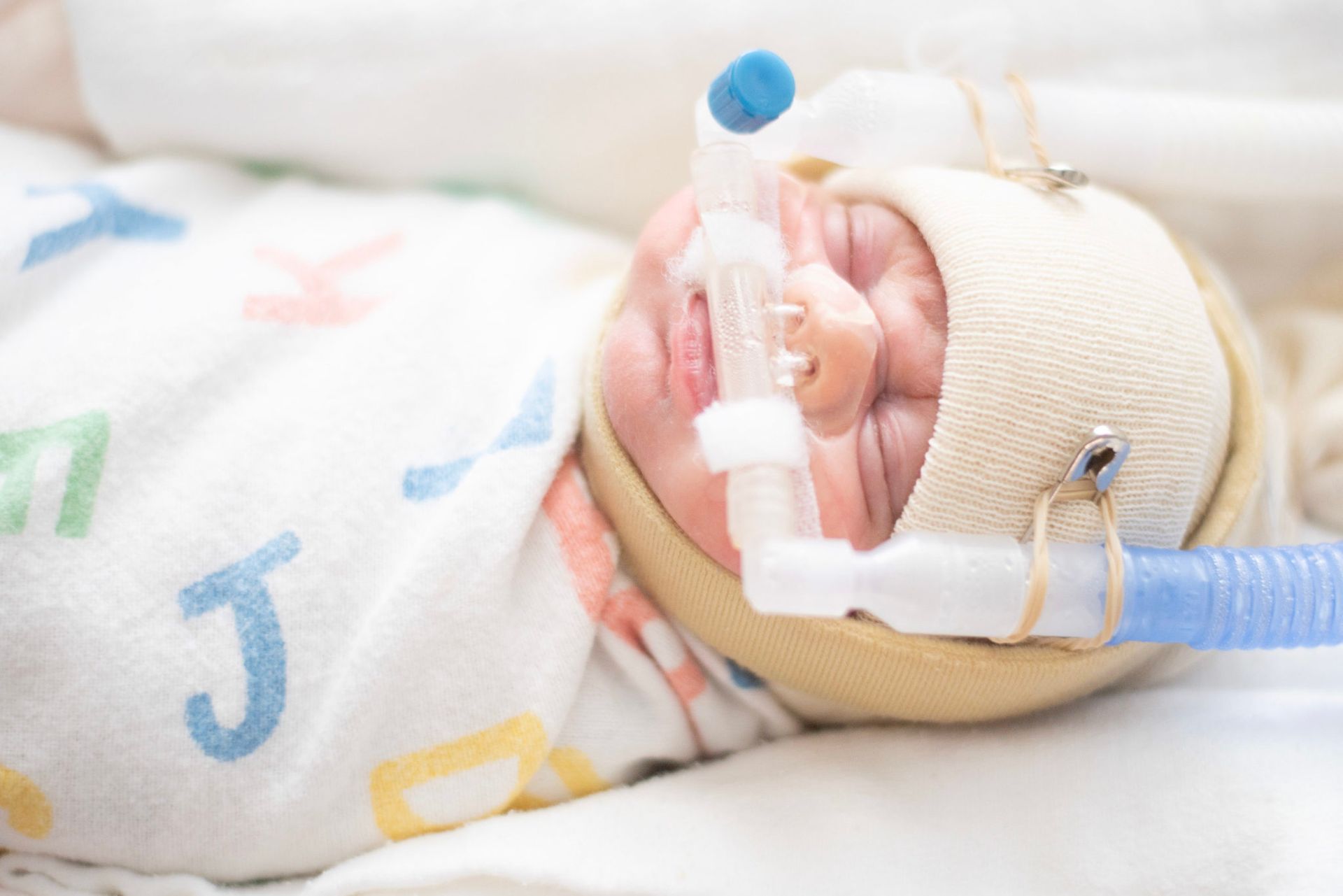
Respiratory Syncytial Virus (RSV) is a common virus that can affect people of all ages. RSV in newborns and babies can be particularly serious. RSV is the leading cause of infant hospitalization in the U.S. and can lead to bronchiolitis and pneumonia.
Transmission
RSV is highly contagious and spreads through respiratory droplets when an infected person coughs or sneezes. It can also spread by touching a surface or object with the virus on it and then touching the mouth, nose, or eyes.
Symptoms
RSV symptoms in newborns and babies can resemble a common cold, including cough, runny nose, and mild fever. However, it can progress to more severe respiratory symptoms, such as wheezing, feeding difficulty, and trouble breathing.
Risk factors
Premature infants, infants with a weakened immune system, and those with certain heart or lung conditions are at higher risk of severe RSV infection. Infants born during RSV season also have increased exposure risk, especially if they are very young when the virus is circulating.
Prevention
There is no specific RSV antiviral treatment for routine outpatient care, so prevention is key. To prevent severe RSV disease in infants, CDC recommends either maternal RSV vaccination during pregnancy or infant immunization with a long-acting RSV monoclonal antibody; most infants do not need both.
For infants younger than 8 months who are born during or entering their first RSV season, either nirsevimab or clesrovimab may be used, with no preference between the two products in this age group. For children 8 through 19 months at increased risk and entering their second RSV season, nirsevimab is recommended; clesrovimab is not recommended for this age group.
In most of the continental U.S., infant RSV antibodies are given from October through the end of March, ideally shortly before the season begins or within the first week of life for babies born during that window. Good hand hygiene, avoiding close contact with sick people, and reducing exposure to crowded settings during RSV season also help lower risk.
Seeking medical attention
If a newborn or infant shows signs of respiratory distress, such as rapid breathing, difficulty feeding, pauses in breathing, or bluish skin color, seek immediate medical attention.
Hospitalization
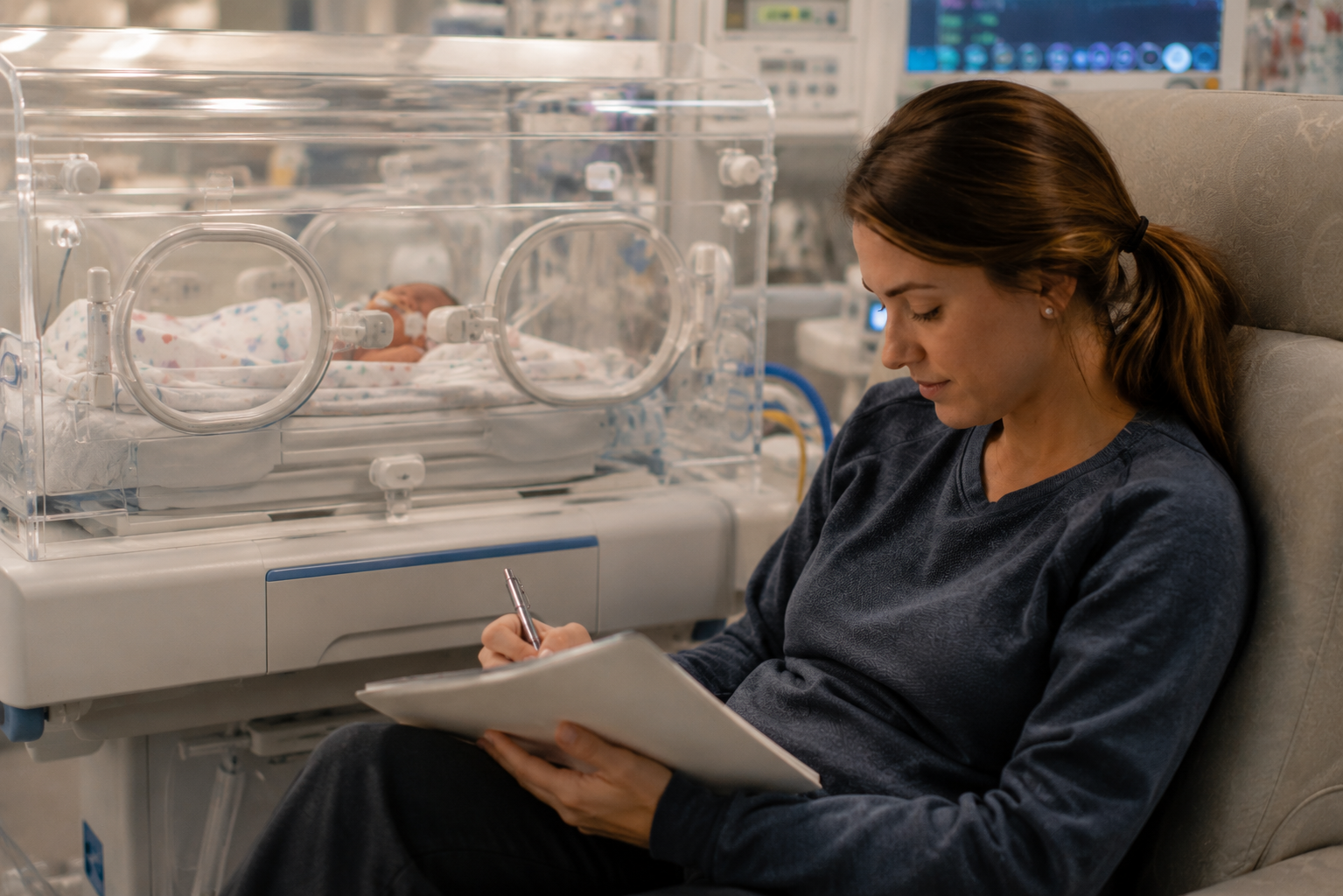
Severe RSV infections may require hospitalization, especially if the baby is having difficulty breathing or becoming dehydrated. In the hospital, supportive care such as oxygen therapy and intravenous fluids may be given.
Parents and caregivers should be vigilant about newborn health, especially during RSV season. If there are concerns about symptoms, exposure, or eligibility for RSV prevention, contact a healthcare professional promptly.