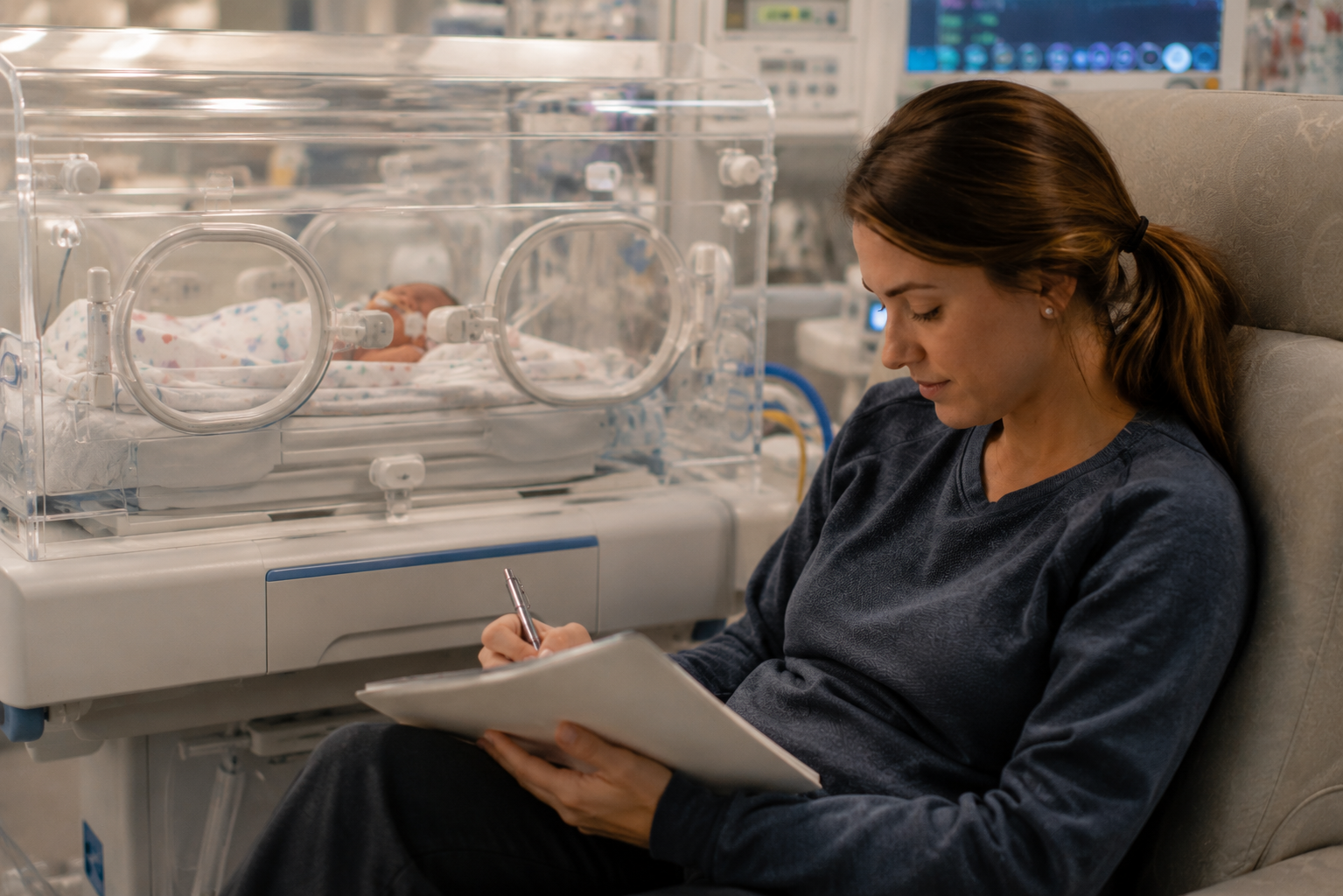
What NICU Families Actually Need After Discharge
This is paragraph text. Click it or hit the Manage Text button to change the font, color, size, format, and more. To set up site-wide paragraph and title styles, go to Site Theme.
After discharge, NICU families need structured mental health support, reliable transportation for specialized follow-up care, and community resources. Addressing the trauma of the NICU experience through therapy and logistical aid ensures long-term stability for both parents and their medically fragile infants during the transition home.
The “NICU Cliff”: Why Discharge Is Only the Beginning
For weeks, or perhaps months, the hum of monitors and the constant presence of medical professionals have been the backdrop of your life. Then, the day finally arrives: the discharge day. You walk through those heavy hospital doors, baby in the car seat, feeling a mix of absolute euphoria and terrifying vulnerability. In the NICU, help was only a call light away. At home, that safety net disappears, creating what many parents describe as the "NICU Cliff."
NICU families after discharge often find themselves in a silent vacuum. The adrenaline that fueled them through the crisis of a premature birth or a medical complication begins to fade, replaced by the heavy reality of complex care at home. This transition is not merely a change of location; it is a profound psychological and logistical shift that requires a different kind of support system—one that isn't always readily available in the traditional healthcare model. At Miracle Babies , we recognize that the journey doesn't end when you leave the hospital; in many ways, the hardest work is just beginning.
Families are often sent home with a list of follow-up appointments, medication schedules, and monitoring instructions. However, what isn't always provided is a roadmap for the emotional fallout. The transition home involves a period of intense hypervigilance. Parents may find themselves staring at their sleeping baby for hours, checking for the rise and fall of their chest, or jumping at every sound that mimics a hospital alarm. This state of high alert is exhausting and is one of the primary reasons why post-discharge support is so vital for the health of the entire family unit.
How does the NICU experience impact long-term mental health?
The psychological impact of the NICU is deep and enduring. While the focus during the hospital stay is understandably on the physical survival of the infant, the mental well-being of the parents is often sidelined. Once home, the silence can amplify the traumatic memories of the delivery and the subsequent hospital stay. Many parents experience symptoms that align with Post Traumatic Stress Disorder (PTSD), including flashbacks, avoidance of the hospital area, and overwhelming anxiety.

This mental health struggle is not a sign of weakness; it is a physiological and psychological response to a high-stress environment. When a baby is in the NICU, the parent-infant bonding process is frequently interrupted by medical interventions. This can lead to feelings of detachment or a sense of "not being the real parent" because nurses and doctors were the primary caregivers for so long. Reclaiming that role at home is a process that requires patience and often professional guidance. Mental health assistance is one of the pillars of our programs , ensuring that parents have the tools to process their trauma and bond effectively with their child.
What does the research say about NICU parent mental health?
The data surrounding the mental health of NICU parents is sobering. A landmark study by Hynan et al. (2013), published in the Journal of Perinatology , highlights the prevalence of these issues. The research found that between 28% and 70% of NICU mothers experience clinically significant mental health symptoms. This is not limited to mothers; up to 43% of NICU fathers also report significant psychological distress. These figures are drastically higher than those found in the general population of new parents.
The Hynan et al. study emphasizes that these symptoms can persist long after the baby has reached physical stability. The "expectant" nature of NICU life—waiting for test results, waiting for weight gain, waiting for a discharge date—creates a chronic stress response. When the crisis "ends" with discharge, the mind finally has the space to process what it just endured, often leading to a delayed onset of depression or anxiety. Recognizing these signs early and providing accessible mental health resources is essential to prevent long-term familial instability.
Navigating the Logistical Realities of Post-NICU Life
Beyond the emotional weight, the logistical demands of a post-NICU baby are immense. A baby who has spent time in the neonatal unit rarely has a standard pediatrician schedule. Instead, they may require visits to cardiologists, neurologists, physical therapists, and developmental specialists. For many families, these appointments are located at specialized centers that may be far from home, creating a significant barrier to care.

Logistical needs for NICU families after discharge include:
- Transportation Assistance: Many families struggle with the cost of fuel or lack of reliable vehicles to reach frequent follow-up appointments.
- Sibling Care: For families with older children, finding childcare for long days at specialist offices is a constant challenge.
- Workplace Flexibility: Parents often need to take significant time off work, which can lead to job insecurity or lost wages.
- Specialized Supplies: From specific car seats for smaller infants to pulse oximeters, the equipment needed at home can be expensive and hard to find.
At Miracle Babies, we address these specific needs through our transportation and resource programs. We believe that no family should have to choose between their baby’s health and their ability to pay rent or put gas in their car. Supporting these families means looking at the whole picture—not just the medical chart.
What resources are available for NICU families in San Diego?
San Diego is home to some of the best medical facilities in the world, but navigating the local resource landscape can be overwhelming for a sleep-deprived parent. Organizations like ours focus on bridging the gap between hospital care and home life. We provide a variety of services ranging from care packages and transportation assistance to clinician led support groups where parents can connect with others who truly understand the NICU language of "desats," "bradys," and "NG tubes."
In addition to non-profit support, many local hospitals offer follow-up clinics specifically designed for NICU graduates. These clinics monitor developmental milestones and provide early intervention services if delays are identified. Connecting with these resources early is a critical component of post-discharge success. If you are looking for ways to contribute to these efforts, you can get involved with our local initiatives to ensure every family in San Diego has the support they deserve.
How can you support a family returning from the NICU?
If you are a friend or family member of a NICU graduate, your support is invaluable, but it needs to be intentional. The transition home often comes with strict rules regarding visitors to protect the baby’s fragile immune system. This can lead to further isolation for the parents. Instead of asking "let me know what I can do," which puts the burden of delegation on the parent, try offering specific, low-contact help.

Here are five tangible ways to support a NICU family:
- Drop off a meal: Leave it on the porch to avoid an unannounced visit that might wake a sleeping baby or compromise their health.
- Run errands: Offer to pick up groceries, prescriptions, or specialized baby supplies and drop them at the door.
- Provide gas cards: Help alleviate the financial burden of frequent trips to specialists.
- Offer sibling support: Take the older children to the park or school to give the parents time to focus on the infant’s medical needs.
- Listen without judgment: Allow them to talk about their NICU trauma without trying to "fix" it or compare it to a standard birth experience.
Your presence—even from a distance—reminds them that they are not alone on this journey. If you wish to help more families in this situation, consider a donation to support our ongoing efforts to provide these essential services to those in need.
Key Takeaways for Supporting NICU Families
Supporting NICU families after discharge requires a multi-faceted approach that addresses the emotional, logistical, and financial gaps left by the healthcare system. The journey home is often more challenging than the hospital stay itself, as parents navigate the long-term effects of trauma while managing complex medical needs.
- Mental Health is Priority: Research shows high rates of PTSD and anxiety in NICU parents that require specialized intervention.
- Logistics Matter: Transportation and financial aid are critical for ensuring babies make it to life-saving follow-up appointments.
- Community is Essential: Peer support and intentional help from friends can mitigate the isolation of the post-NICU period.
- Resources are Available: Organizations like Miracle Babies are here to provide the net that catches families when they fall off the "NICU cliff."
If you or someone you know is navigating this transition, please reach out. There is a community waiting to support you as you navigate the beautiful, challenging road of life after the NICU. For more stories and updates on our work, visit our news page.